
Key Takeaways
- Panel Security: Always fasten auxiliary tabs on rooftop units to prevent panels from coming loose due to vibration or stripped screws
- Water Infiltration: Loose panels can cause severe water damage – proper sealing prevents rainwater from being sucked into blower sections
- York Units: Models with 7/16″ bolt tabs require special attention – tighten these tabs on every service call
- Final Check: Verify all panels are secure before leaving the roof to prevent callbacks and equipment damage
The Hidden Danger of Loose Rooftop Unit Panels
As a commercial tech, I’ve worked on countless models and types of rooftop equipment over the years. One persistent problem that keeps generating callbacks? Panels that won’t stay put. Sometimes it’s an honest mistake – a tech forgetting to fasten screws after service. Other times, it’s those sneaky stripped screws that go unnoticed until vibration gradually works the panel loose.
Why Panel Tabs Matter More Than You Think
The York Unit Challenge
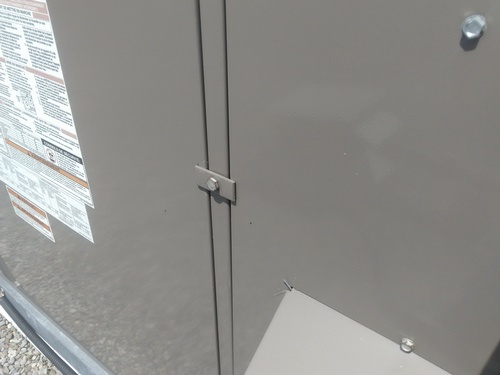
Some models of York rooftop units utilize tabs fastened to the unit chassis with 7/16″ bolts. I’ll admit – in my early days, I often left these loose, thinking the main panel screws were sufficient. These days, I tighten them down on every unit after installing the panel. Why the change? Experience taught me that these auxiliary tabs aren’t just suggestions – they’re critical for unit integrity.
When you skip this step, you’re setting yourself up for that dreaded callback where the panel is found laying on the roof. But that’s actually the best-case scenario.
The Water Infiltration Nightmare
Here’s where things get serious. I recently responded to a call where the entire blower section was filled with water. The night before had brought heavy rain, and the panel was slightly bowed out – just enough to prevent proper sealing with the gasket.
What happened next was a perfect storm of physics and poor maintenance: The suction from the fan actually pulled rainwater flowing down the unit’s exterior into the blower section. The water built up inside and eventually leaked into the building below. The fix? Simply tightening down the tab forced the panel back into place, creating the proper seal it needed.
This incident reinforced why proper maintenance procedures are so critical – small oversights can lead to major damage.

Best Practices for Panel Security
Universal Application
While York units have their specific 7/16″ bolt tabs, this principle applies across all manufacturers. If any unit – regardless of brand – utilizes auxiliary tabs of any kind, I highly recommend putting them into use. These aren’t optional features; they’re engineered safety measures.
When working on rooftop units with complex control systems, panel security becomes even more critical. Water infiltration can damage sensitive electronics and create cascading system failures.
The Pre-Departure Checklist
Before heading down that ladder, make panel security part of your standard procedure:
- Check all primary panel screws for tightness
- Verify auxiliary tabs are properly engaged and tightened
- Inspect panel gaskets for proper seating
- Look for any bowing or gaps in panel alignment
- Test panels for vibration or movement
Building a reputation for quality work starts with attention to these details. Property.com’s ‘Know Before You Go‘ tool helps you prepare for service calls by providing detailed property information, but preventing callbacks through thorough work is what builds lasting customer relationships. Learn how Property.com helps HVAC pros stand out through exclusive certification and professional tools.
Common Panel Problems to Watch For
Beyond just loose tabs, keep an eye out for:
- Stripped screw holes that need thread repair
- Damaged or compressed gaskets requiring replacement
- Warped panels from age or heat exposure
- Missing hardware that’s been lost over time
These issues often compound each other. A slightly warped panel puts extra stress on screws, which can lead to stripping, which causes poor sealing, which allows water infiltration – you get the picture.
Conclusion
That extra minute spent tightening auxiliary tabs can save hours of water damage cleanup and angry customer calls. Whether you’re performing routine belt replacements or complex diagnostics, never skip the basics. Ensure all panels on all units are secure before heading down the ladder – your future self (and your customers) will thank you.
Check out the link to my YouTube channel for more tips, tricks, and troubleshooting videos and check out the The HVAC Know It All podcast here or on your favourite podcast app. Happy HVACing…