CONVERGED SYSTEMS: A BRIEF OVERVIEW

Key Takeaways
  • Converged Systems: Combine the efficiency of mini-split inverter heat pumps with existing ductwork using high-efficiency furnaces or fan coils
  • Communication Challenge: Interface kits bridge the gap between traditional 24V thermostat wiring and inverter two-wire communication systems
  • Installation Considerations: Indoor TXVs must be removed and vapor lines fully insulated when pairing with inverter-driven heat pumps
  • Future Outlook: Major manufacturers like Carrier and Daikin are expanding these product lines as a cost-effective alternative to premium unitary systems

The Evolution Toward Converged HVAC Systems

As the HVAC industry gravitates toward higher efficiency equipment, manufacturers are developing solutions that balance effectiveness with practical cost considerations. Inverter technology is becoming increasingly standard, valued not only for its efficiency gains but also for superior performance characteristics. However, many homeowners remain accustomed to central systems that provide both heating and cooling throughout their homes, while current mini-split systems are designed primarily for individual room comfort rather than whole-home solutions. One innovative approach that captures the efficiency benefits of mini-split systems while utilizing existing ductwork is the converged system.

What Is a Converged System?

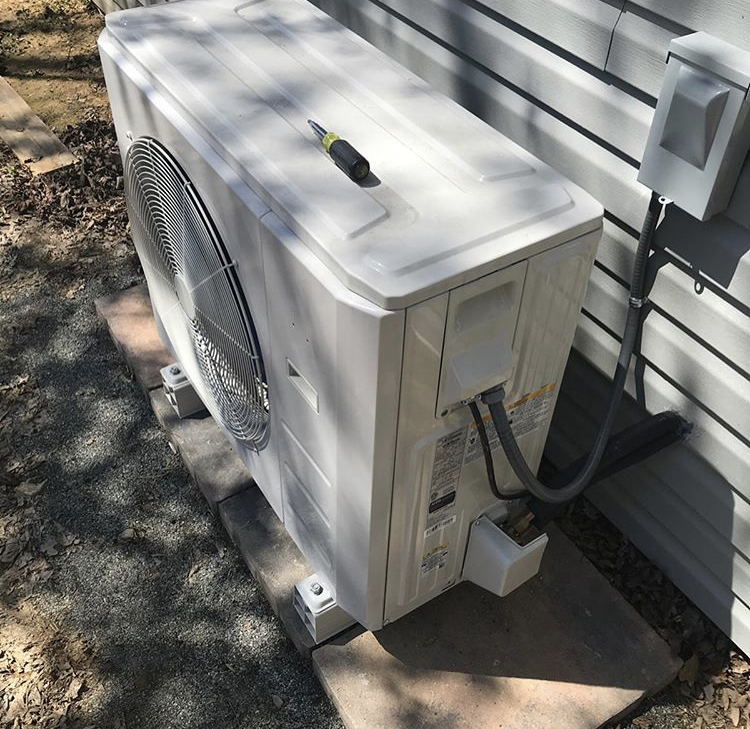
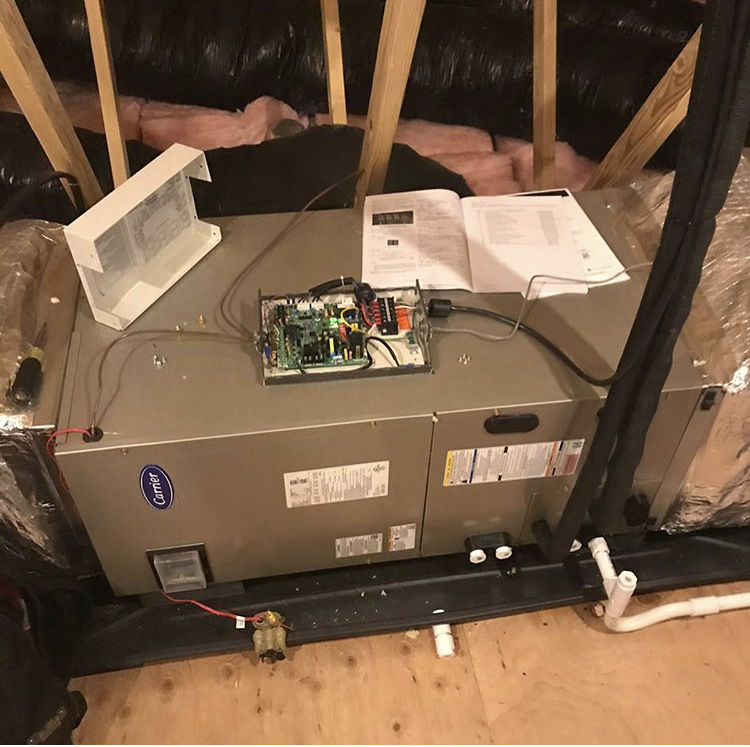
A converged system essentially combines a mini-split outdoor heat pump with a ducted high-efficiency furnace or fan coil unit. This hybrid approach allows homeowners to benefit from inverter heat pump technology while maintaining the familiar central air distribution they’re accustomed to. Two manufacturers leading this technology implementation are Carrier and Daikin. My experience is primarily with Carrier systems, so I’ll focus on their product line for specific examples.

Solving the Communication Challenge

The primary obstacle when pairing a unitary system with an inverter heat pump is communication protocol incompatibility. Most unitary systems utilize traditional thermostat wiring (R, C, G, Y, W, O, etc.), while inverters rely on a two-wire communication circuit with line voltage (L1, L2, S).

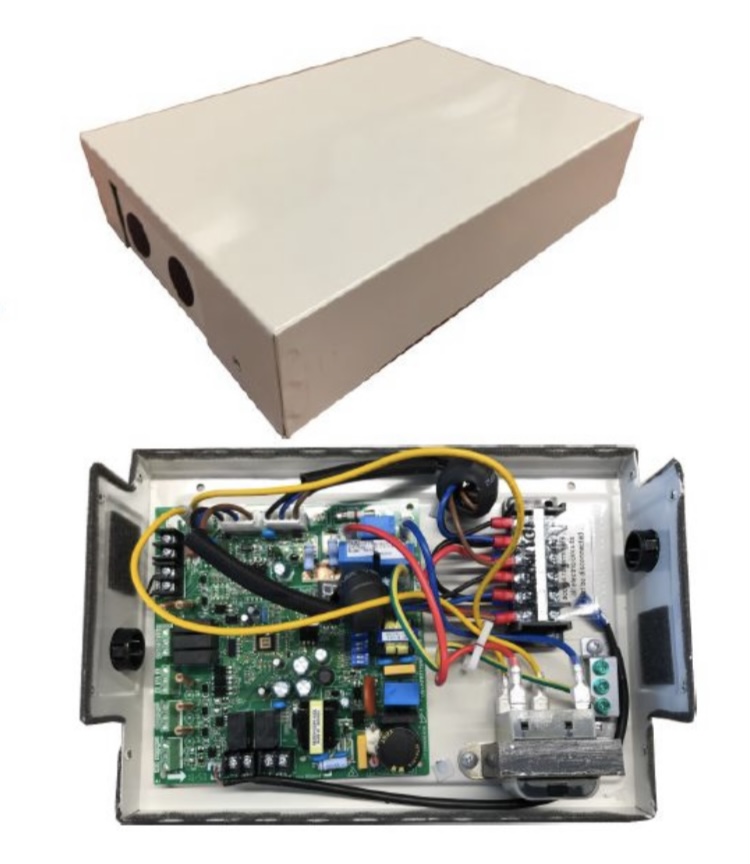
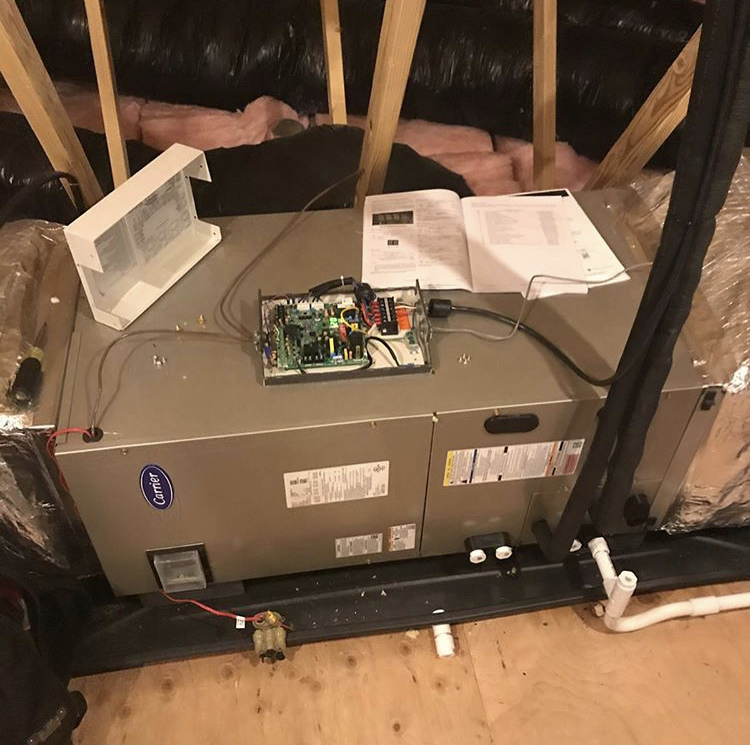
Carrier’s solution employs an interface kit that acts as a translator between these two systems. This interface kit serves as the middleman, performing several critical functions:

  • Sends return air temperature data to the outdoor heat pump (via an installed sensor) for modulation purposes
  • Interprets thermostat signals to determine operating mode
  • Enables customers to use standard 24V thermostats with mini-split technology
  • Manages system coordination between indoor and outdoor units

Installation Considerations and Best Practices

When installing converged systems, several important modifications must be made to standard installation procedures:

Metering Device Configuration

With Carrier converged systems, because we’re using an inverter-driven heat pump with an electronic expansion valve (EEV), any indoor thermostatic expansion valves (TXVs) must be removed from the system. This configuration mimics a full residential mini-split system where indoor metering devices are eliminated. For technicians familiar with bi-flow TXV operation in traditional heat pumps, this represents a significant departure from conventional practice.

Insulation Requirements

Following mini-split installation standards, the vapor line (running from the metering device to the evaporator) must be fully insulated. This requirement is critical for system efficiency and preventing condensation issues.

Documentation and Setup

These systems are fairly straightforward to install when you carefully follow the installation manuals, particularly the interface kit documentation in Carrier’s case. The setup process requires attention to detail but isn’t overly complex for experienced technicians.

Installing these advanced systems successfully requires understanding both traditional unitary systems and modern inverter technology. Property.com’s ‘Know Before You Go‘ tool helps contractors identify homes that could benefit from efficiency upgrades like converged systems. Access exclusive homeowner insights including permit history and potential energy savings to position yourself as the go-to expert for high-efficiency installations. Learn how Property.com helps HVAC pros win more premium installation projects.

The Future of Converged Systems

I anticipate these systems will see increased adoption in the coming years, especially given their efficiency benefits and lower cost point compared to premium unitary counterparts like the Carrier Infinity Greenspeed. The technology offers a practical middle ground for homeowners who want improved efficiency without completely abandoning their existing ductwork.

Daikin has already integrated high-efficiency furnaces into their Fit product line, demonstrating their commitment to this approach. Carrier is following suit with plans to expand their converged system offerings in the near future. As energy efficiency standards continue to tighten and homeowners seek cost-effective upgrades, converged systems represent a compelling solution that bridges the gap between traditional and cutting-edge HVAC technology.

For contractors preparing for the future of HVAC installations, understanding converged systems alongside proper heat load calculations will be essential for recommending the right solution for each customer’s unique situation.

Categories:
Share this article on:

Matthew Showers

Matthew Showers is an HVAC service technician, performing work in both the residential and commercial fields.  His specialty is in inverter and communicating systems.  Follow Matt on Instagram

Follow us on:

Save 6% on purchases at TruTech Tools with code knowitall (excluding Fluke and Flir products)

Save 8% at eMotors Direct with code HVACKNOWITALL

Subscribe Now!

Subscribe now and stay up to date with the latest industry trends and HVAC tips and tricks!

Subscribe Now!

Subscribe now and stay up to date with the latest industry trends and HVAC tips and tricks!