
Azeotrope Refrigerants vs. Zeotrope

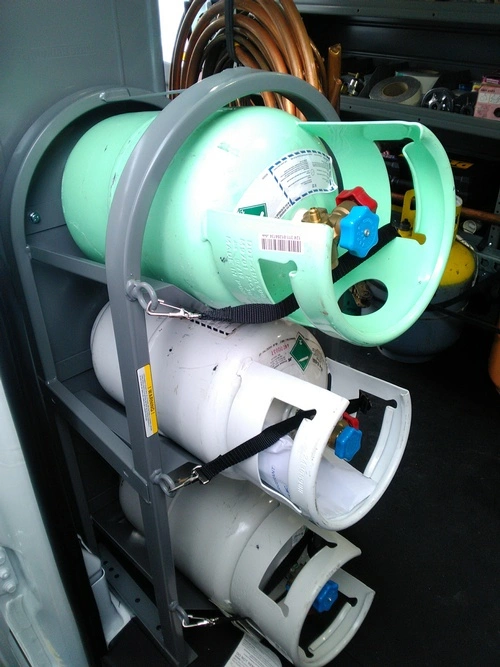
HVAC refrigerant bottles
Key Takeaways
  • Azeotropic blends: Refrigerant mixtures that boil and condense at the same temperature, behaving like pure compounds with no glide
  • Zeotropic blends: Mixtures with components that evaporate and condense at different temperatures, requiring liquid charging to prevent fractionation
  • Temperature glide: The temperature difference between bubble point (evaporation) and dew point (condensation) in zeotropic blends
  • Charging method matters: Always charge zeotropic refrigerants as liquid to ensure proper blend composition enters the system

Understanding Azeotrope vs. Zeotrope Refrigerants

After reading this article, check out a short podcast on this subject.

Do you understand your refrigerant?

Do you listen to it or communicate with it… wipe its tears when it’s sad?

Yeah, probably not, but it is essential to understand some terminology to understand your refrigerant’s deepest, most inner feelings.

Not all refrigerants are pure compounds, such as R22 and R134a, and not all refrigerants are created equal. Understanding the difference between azeotropic and zeotropic blends is crucial for proper system charging and troubleshooting.

Azeotropic Blends: Single-Temperature Behavior

An azeotropic refrigerant is a mixture of two or more components that boil at the same temperature.

The components in this type of refrigerant will evaporate and condense together as one, behaving essentially like a pure compound during phase changes.

An example of an azeotropic refrigerant is R502.

There is no glide to worry about with this type of mixture, which simplifies charging procedures and system diagnostics. When working with azeotropic blends, you can charge them as either vapor or liquid without concern for composition changes.

Zeotropic Blends: Multi-Temperature Complexity

A zeotropic blend is also a mixture of two or more components, but with a critical difference.

The components of this refrigerant have different boiling points, which means they will evaporate and condense at different temperatures.

An example of a zeotropic blend is any 400 series refrigerant, such as R407c and R410a, keeping in mind that R410a is considered a near azeotropic blend with minimal glide.

To fully understand zeotropic blends and their impact on system operation, we must also understand fractionation and glide.

Fractionation: Why Charging Method Matters

Imagine a jug of R407c, which is a mixture of three components, sitting in a room under normal conditions.

The components will boil off at different temperatures, separating from the liquid mixture.

Think of the three vapor components separated in the jug, each occupying their own space above the liquid.

This separation is known as fractionation.

Because these components have different properties, more of one gas may be at the top of the jug than the other.

As fractionation occurs, the vapor blend that hovers above the liquid is compromised; it’s not a complete mixture.

This is why it’s important to charge this type of refrigerant as a liquid to ensure the system receives the full blend. When dealing with systems requiring proper evacuation procedures, understanding your refrigerant type becomes even more critical.

One thing to keep in mind when charging: the refrigerant must leave the jug as a liquid, but it can be flashed into the system as a vapor.

Actually, it is recommended that it is flashed into the system to avoid liquid entering the compressor.

Check Out Yellow Jacket’s Liquid Charge Adapter
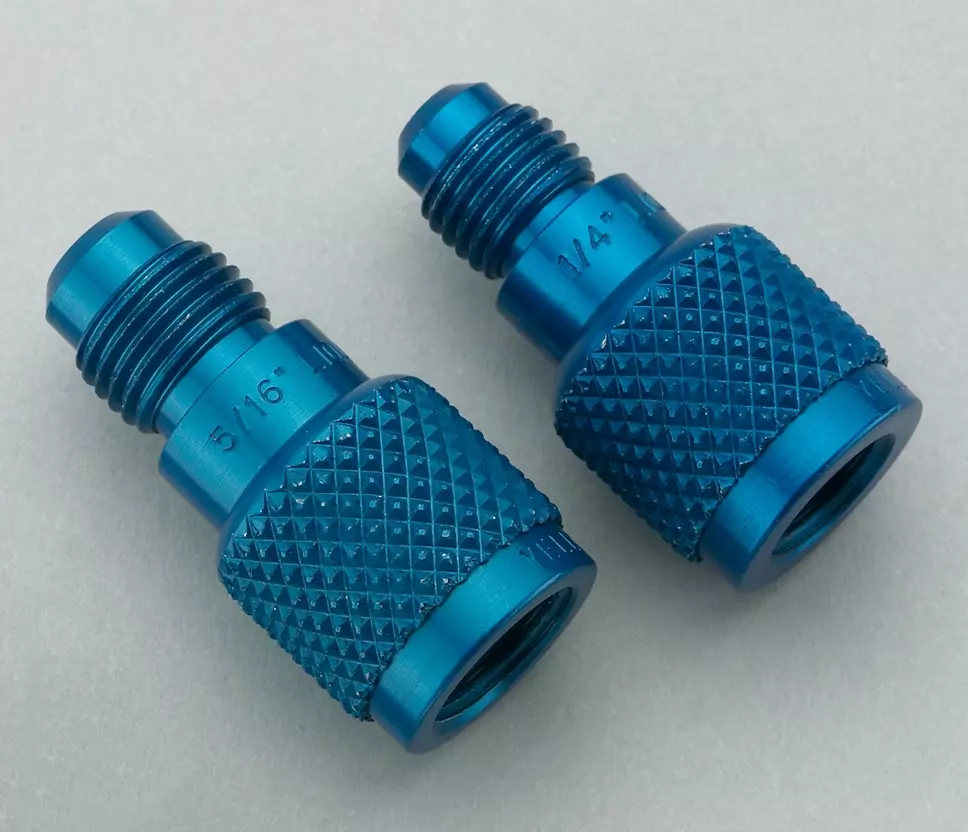
Azeotrope Refrigerants vs Zeotrope: yellow jacket liquid charge adapter

Understanding Temperature Glide

Glide is a term that confuses some techs I’ve found, but if explained properly it doesn’t need to be a brain-numbing exercise.

Glide is the difference between the boiling point of the most volatile component compared to the least volatile component within the refrigerant blend.

For example, if one component were to boil at 100 degrees Fahrenheit and the other at 110 degrees Fahrenheit, that would be 10 degrees of glide.

When looking at a PT chart, you will see bubble point (point of evaporation) and dew point (point of condensation).

The space between these two points is considered the refrigerant’s glide. This temperature difference affects superheat and subcooling calculations, making it essential to use the correct values when diagnosing system performance.

Practical Applications for HVAC Technicians

Understanding whether you’re working with an azeotropic or zeotropic blend impacts several aspects of service work:

  • Leak repair: Zeotropic blends may change composition after significant leaks, potentially requiring complete refrigerant replacement
  • System charging: Always charge zeotropes as liquid to maintain proper blend ratios
  • Diagnostic measurements: Account for glide when calculating superheat and subcooling on zeotropic systems

When performing refrigerant leak checking procedures, remember that zeotropic blends can fractionate during leaks, potentially changing system performance characteristics.

Working with complex refrigerant blends requires precision and knowledge. Property.com’s ‘Know Before You Go‘ tool helps HVAC professionals arrive prepared with critical system history and homeowner insights, allowing you to focus on technical challenges like proper refrigerant handling. Join our exclusive network of certified pros who understand that preparation leads to better service outcomes. Learn how Property.com helps HVAC professionals deliver superior service through better information.

Moving Forward with Refrigerant Knowledge

Understanding the fundamental differences between azeotropic and zeotropic refrigerants isn’t just academic knowledge—it directly impacts your daily service work. From charging procedures to leak repairs, knowing your refrigerant’s behavior helps prevent callbacks and ensures optimal system performance.

Remember to always seal your service valve caps properly to prevent leaks that could lead to fractionation in zeotropic systems.

Now go master your refrigerant knowledge!

Categories:
Share this article on:

Gary McCreadie

Gary McCreadie is an HVAC tech, the creator of hvacknowitall.com, the HVAC Know It All Podcast, and owner of McCreadie HVAC & Refrigeration Services

Follow us on:

Save 6% on purchases at TruTech Tools with code knowitall (excluding Fluke and Flir products)

Save 8% at eMotors Direct with code HVACKNOWITALL

Subscribe Now!

Subscribe now and stay up to date with the latest industry trends and HVAC tips and tricks!

Subscribe Now!

Subscribe now and stay up to date with the latest industry trends and HVAC tips and tricks!