
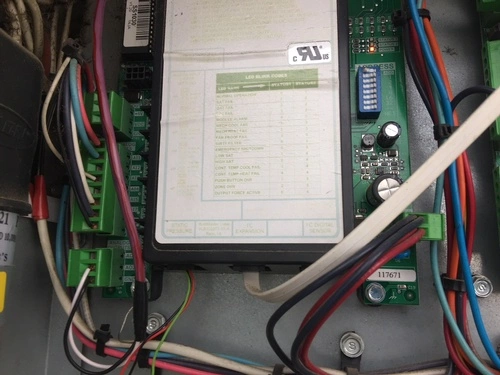
I will start off with a bit of my background, I have been a service technician in the commercial and industrial side of things for about 11 years now and some things have just stuck with me that I picked up from senior technicians.
I will try to detail them as best I can in this article, some of these may be good for the way you handle your customers or you may have a better way of doing them.
Interact With The Customer
The very first thing I do in a commercial or industrial application is to go and see the person who placed the call immediately when I arrive on site.
To most this makes sense, but in some commercial or industrial applications I have seen technicians immediately go on the roof and try to check out the unit they “think” is the one under investigation.
Trust me when I say it, your customer won’t appreciate wasted time.
Also, it’s just working smart, not hard!

The first thing I try to do on any call that I am sent on is ask the customer what they have experienced just before the result of them calling.
This ties into the first thing I described.
Questions such as; has this been an ongoing problem, “Did it happen abruptly?” or “Has it been something slowly getting worse?”.
The more information you can gain in the first few minutes of interacting with the customer the more you diagnose problems that make sense.
Another bit of information I can give you is do not take what the customer says to heart.
You will end up chasing your tail, they may tell you something that leads you in a direction towards a faulty high-limit switch, but in reality, it may be a failed fire damper. (This is just an example, hopefully, you see what I mean though!).
Find the Actual Unit
With all of this information in hand, the next order of business is to locate the correct unit.
I can’t stress this enough, in some buildings I have worked in, the customer swears it’s “Rooftop 3” that you need to inspect, meanwhile it’s actually “Rooftop 6” which happens to sit directly next to it on the roof and the thermostats are in the same area.
Always double-check and never be afraid to remove a ceiling tile and check the ductwork!
For instance, recently I had been tasked with a start-up on some steam humidifiers, one humidifier would not start unless I jumped out the air switch terminal, turned out that the one humidifier had been piped to two rooftop units.
Without checking the ceiling space, I would have been following a wiring issue or worse, changing a part that did not need to be changed.
Within quick order I found turning on another thermostat’s Fan output triggered the humidifier to start and work its magic.
The next humidifier actually ended up having a bad sail switch that would intermittently stick open and wouldn’t allow the other one to start, it was a messy ceiling but spending a few extra minutes was very much worth it.
Read The Manual and Don’t Assume
Read the manual!
Please, for the sake of everyone around you, find the equipment literature and if all else fails, call the manufacturer for that information.
Assuming things or basing entire recommendations on a guess is the worst thing you can do.
For you and your customer, it’s a waste.
You might be right, but in the event you’re wrong, it’s mud on your face, and the companies.
And I don’t recommend making things up to cover yourself, lying is a quick way to burn bridges and ruin the trust you have created with the customer.
It’s also a good way to learn, we all make mistakes, and you will make them, I have made them, the best mechanic you have ever seen has and will make them.
Own up to it, learn from it, and carry it with you in the back of your mind so you don’t do it again.
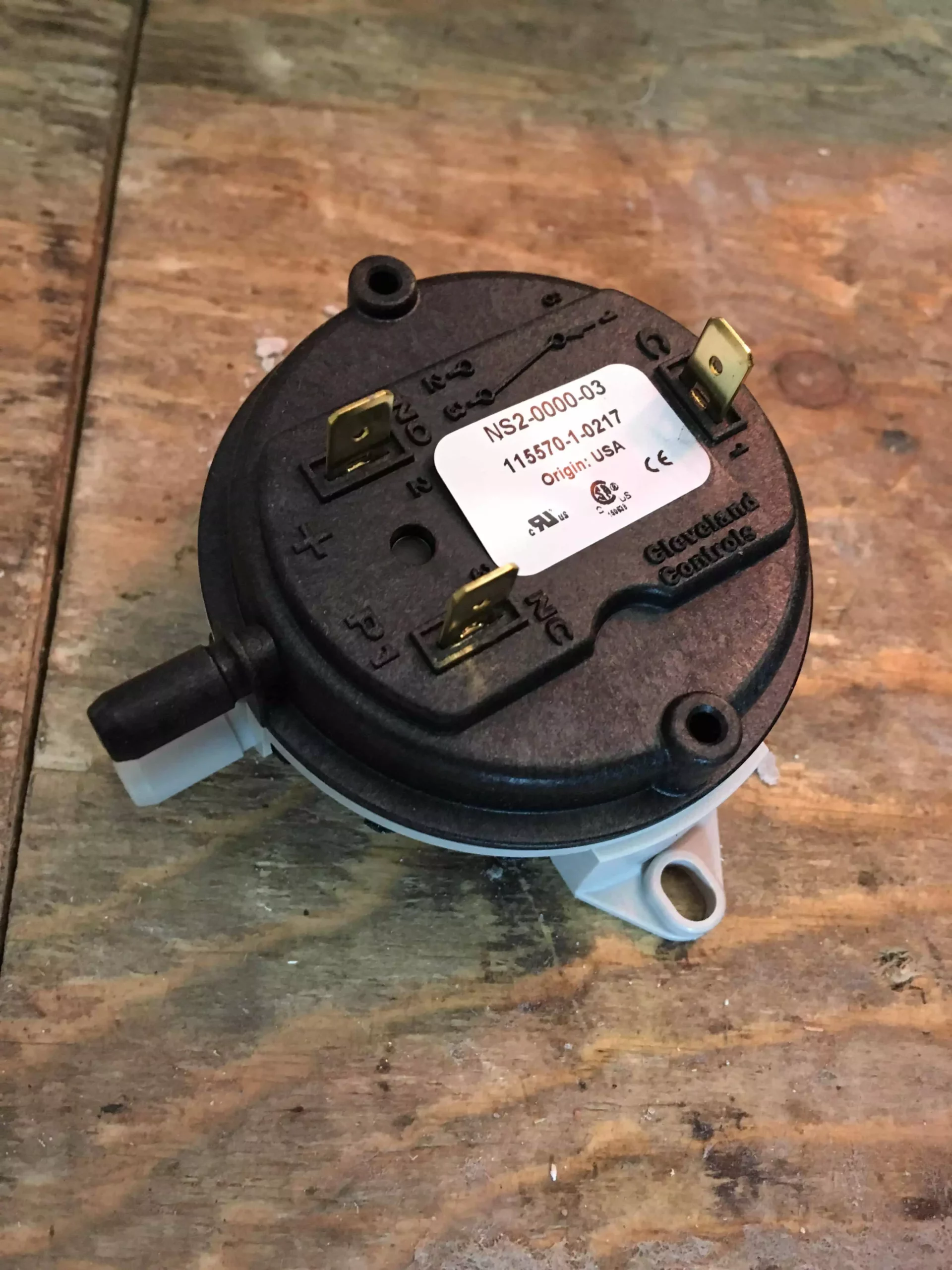
Once you have a suspected problem repaired or even if you’re still at the diagnostic stage, ask yourself one simple question. “Does that make sense?”.
It’s okay to second guess yourself on this sort of thing, if you question yourself on a diagnostic, it may mean the difference between changing that pressure switch or pushing a piece of ice out of the tube that didn’t see.
Be Careful Not To Rush
Don’t rush. Seriously, don’t rush yourself.
If your office is breathing down your neck because there are 6 more service calls you need to go on, just take it in stride.
Don’t get yourself worked up and don’t rush through it, I have rushed numerous times, and guess what, I made mistakes and/or got hurt.
It’s not worth it, usually when you start rushing mistakes become more common, and a mistake can be the difference between going home or being in the hospital overnight.
If the office is relentless and keeps pushing and pushing, the best thing as a service technician is just to just acknowledge it and continue on.
There is another solution, but unfortunately being new in the trade this one can probably get you canned.
Just hand dispatch the tools and tell them to “just give ‘er!”.
It’s not fair to be rushed and it’s not fair to rush your guys (company owners!).
You end up with people that don’t respect you. At the same time, don’t do it!
Continuous Development
Last but not least, try to learn as much as you can on an ongoing basis.
Take courses if you can, learn from other technicians on ride-alongs (pay attention to even the smallest detail, it can make a big difference), and don’t be afraid to ask questions.
There’s no such thing as common knowledge, everyone has a different background, something you knew even before entering the trade, someone else may have had to learn through trial and error.
There’s obviously some common sense that should be adhered to, but that’s another topic for another day!
If you have any further points to add to this, please let me know!
I always enjoy learning about different topics or how other people handle day-to-day tasks!
Learn More with HVAC Know It All
Elevate your HVAC expertise and outshine your peers by delving into our informative blog articles, listening to our industry-specific podcast, and subscribe to our YouTube channel, where we share valuable insights tailored specifically for HVAC technicians seeking to enhance their business and provide exceptional service.