
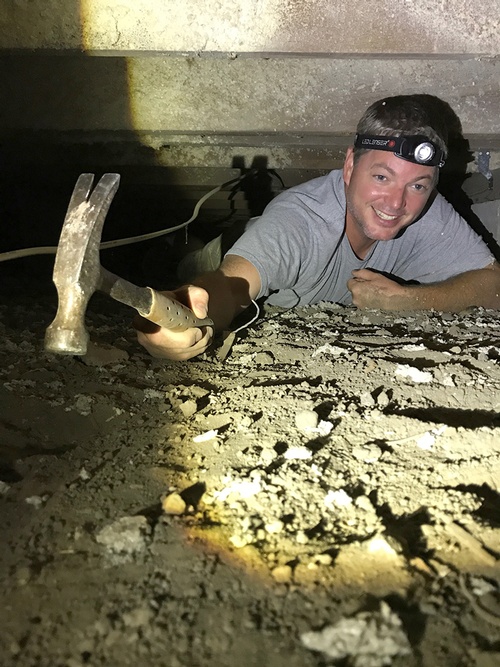
The night before his first day on the job as an air conditioning apprentice Kelly lies awake both excited and nervous about how tomorrow will go. Is this the start of a new career for him? What skills will he bring? What mistakes will he make? The following are a few things Kelly can do wrong, and some things he can do right on his exciting new career as he evolves from the greenest helper to experienced service technician.
THE DON’TS
DON’T put away tools – There aren’t many things more annoying for a technician to reach for a tool and it not be where he normally keeps it. When putting away tools and supplies just lay them in the vehicle and let the technician put them where they go.
DON’T talk technical – When customers talk technical always defer their questions to the most experienced person on site. Also if the technician is talking technical don’t ever add any supplemental information. When you do this you are sending a message to the customer that the technician didn’t cover the topic very well, it just hurts his and the company’s credibility.
DON’T sigh – Try to avoid making negative sounds or using negative phrases. The slightest sigh/exhale can draw the customer’s attention so now the technician has them over their shoulder asking “is something wrong”?
DON’T show up late and sleepy – Come to work a few minutes early, fed and watered. Walking in hung over or sleepy is not a good start to the day. The technician you are helping has a list of scheduled calls to make and he really hasn’t planned on swinging by a drive thru so you can get coffee and a breakfast burrito.
DON’T always be up in your phone doing non work related stuff. You are there to assist, not check your Facebook feed and send love notes to your girlfriend every 5 minutes.
Check out this quick video I put together to complement this article
THE DOS
DO be engaged in the job at hand. On the way to the jobsite ask questions related to what is to be expected of you on arrival, such as what ladders will we need, what tools/materials should I grab etc.… Going on and on about what happened at the bar last night isn’t what the technician’s mind is focused on. If the technician is driving helping him navigate traffic is also a way to be engaged in the job.
DO park legally. If you park on the wrong side of the street (against traffic flow) and the neighbor backs out of their driveway smashing into your vehicle, guess what? You were illegally parked and can be ticketed. Also, try not to block in other vehicles but if you do, ask the customer if they will be needing out soon, it’s just a common courtesy.
DO lay down tools and declare – When the technician has his attention focused on the equipment lay the tools and/or materials the technician asked you to bring within his reach and let him know by verbal declaration that you did so. If you just lay them down without saying anything he may go looking for those items in his work vehicle only to realize it was laying right beside him the whole time. If you bring back something and just stand there with it waiting to put it in his hands he may not be ready for it yet. This is just inefficiency on your part because after you lay it down you could be doing something else.
And lastly the most important trait any service person can have is …
DO practice discretionary effort. You are in the customer’s home or place of business so being respectful goes a long way. If your shoes are dirty, take them off, wear shoe covers, lay down floor protection etc.. This sends the message you care. The goal is to make a habit of doing something extra the customer didn’t expect. This practice is called “discretionary effort”. What you are looking for is to create a thought in the customer’s mind of “aww that was very nice of him he didn’t have to do that”. Other examples of going above and beyond are asking/being interested in the customer’s hobbies/interests. Bringing in their newspaper that was laying in the yard, rolling up their water hose nice and neat after you used it, being nice to their barking dog even though it’s annoying etc.. Sometimes finding these things aren’t totally obvious so you need to get in the habit of talking to the customer and listening to the verbal clues they give you with the intention of finding that extra something you can do for them. Once it becomes habit you will be in the groove and well on your way to becoming a full blown service technician.

Steve Wiggins – Owner of Quality Air Care serving the Waco, Texas area. I’ve been in the air conditioning business for 25 years and hold a class A state hvac license. My primary customer base is residential/environmental. I’ve gained experience working for large & small air conditioning companies plus school districts and colleges in the hvac field.