
Key Takeaways
- Proper Technique: Tighten set screws using a cross-pattern method to ensure even pressure distribution
- Thread Lock Compounds: Use appropriate strength compounds for equipment prone to vibration, but consider future maintenance needs
- Common Failure Points: Pulleys, shafts, blower wheels, and bearings frequently come loose from improper tightening
- Prevention is Key: Proper initial installation prevents costly callbacks and equipment damage
The Hidden Culprit Behind HVAC Equipment Failures
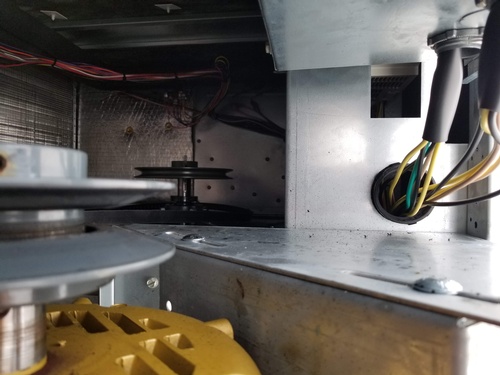
During my career, I’ve encountered countless pulleys, shafts, blower wheels, and bearings that have worked themselves loose due to improper set screw tightening. Sadly, much of this equipment was brand new or nearly new. This simple oversight can lead to expensive repairs, callbacks, and frustrated customers.
Understanding Set Screw Failures
Set screws may seem like minor components, but they’re critical for maintaining proper alignment and securing rotating parts in HVAC equipment. When these small fasteners fail, the results can cascade through your entire system – from noisy operation to complete component failure.
When to Use Thread Lock Compounds
For larger equipment or systems susceptible to excessive vibration, I recommend using a thread lock compound. However, there’s an important consideration many technicians overlook: thread lock compounds come in different strengths, and choosing the wrong one can create headaches down the road.
Important Note: Using high-strength thread lock can make future maintenance or teardown extremely difficult. Always consider whether you’ll need to service the component later and choose your compound strength accordingly.
The Proper Tightening Technique
The video below demonstrates an easy but effective method for tightening set screws, whether you’re using locking compound or not. This technique has saved me countless callbacks over the years.
Preventing Common Mistakes
Just as proper set screw tightening prevents mechanical failures, strategic maintenance scheduling can prevent seasonal equipment breakdowns. Both require attention to detail and understanding of how small oversights lead to major problems.
When working with complex systems like heat pump reversing valves or bi-flow TXVs, proper mechanical connections become even more critical. A loose set screw on a blower wheel can affect system pressures and throw off your entire diagnostic process.
Building Your Professional Reputation
Attention to details like proper set screw installation sets professional technicians apart from the competition. Property.com’s ‘Know Before You Go‘ tool helps you maintain that professional edge by providing detailed property insights before you arrive at each job. Combined with solid technical skills, these resources help you deliver exceptional service that builds customer trust. Learn how Property.com helps HVAC pros stand out in their market.
Additional Resources
Check out my YouTube channel for more tips, tricks, and troubleshooting videos. You can also find The HVAC Know It All podcast here or on your favorite podcast app.
Happy HVACing!