
Key Takeaways
- Never use your hand to check if an HVAC unit cabinet has become energized – this outdated method is dangerous even with the back of your hand
- Poor grounding can cause unit cabinets to become live when electrical problems exist within the equipment
- Modern testing tools like non-contact voltage testers provide safe, reliable ways to check for power before touching any equipment
- Always verify power status before performing any maintenance or repairs to prevent electrical shock injuries
The Hidden Danger of Energized HVAC Cabinets
Through the years I’ve spoken to many techs in person and online, and I’ve noticed that a good number of them have been taught to use the back of their hand to slap a unit cabinet to ensure it hasn’t become live. While I understand the reasoning behind this practice, it’s time we address why this method is outdated and unsafe in today’s HVAC industry.
Understanding the Risk: Why Cabinets Become Energized
A poor ground or lack of ground can cause a unit cabinet to become live if a problem exists within the equipment. This creates an extremely dangerous situation for technicians who may unknowingly come into contact with an energized surface. Whether you’re performing routine maintenance on commercial HVAC systems or troubleshooting residential units, electrical safety must always be your first priority.
The Old Method: Why Back-Hand Slapping Isn’t Safe
I understand where this thought comes from – if you reach for a live unit with your bare palm, there’s potential for your hand to seize up and grab on. Obviously, your back hand cannot grab in the same way. However, this method is still unsafe for several reasons:
- Even brief contact with energized equipment can cause serious injury
- The shock can still travel through your body to ground
- You’re still making direct contact with potentially lethal voltage
- Modern safety standards require verification without physical contact
The Safe Approach: Using Proper Testing Tools
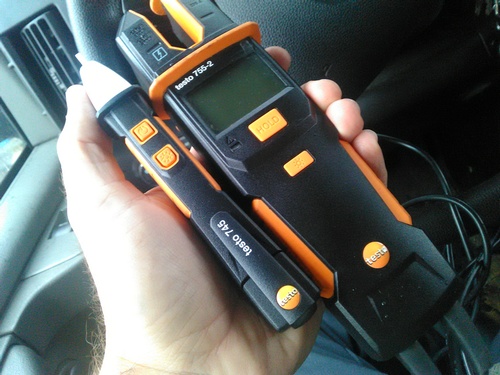
Today, we have tools to safely check for power before touching unit externals. Non-contact voltage testers, multimeters, and other electrical testing equipment allow you to verify the absence of voltage without ever making physical contact with the equipment. This is especially important when working with complex systems like BMS-controlled HVAC equipment where multiple power sources may be present.
Video Demonstration: Safe Power Checking Procedures
Check out this video for more info and a quick demo on properly checking equipment for the presence of power:
Best Practices for Electrical Safety
When approaching any HVAC equipment, whether it’s a simple residential unit or a complex heat pump with reversing valves, always follow these safety protocols:
- Assume all equipment is energized until proven otherwise
- Use appropriate PPE including insulated gloves when necessary
- Test your tester on a known live source before and after use
- Follow lockout/tagout procedures when applicable
- Never bypass safety devices or take shortcuts
Building a reputation for safety-first service is crucial for growing your HVAC business. Property.com’s ‘Know Before You Go‘ tool helps you arrive at every job prepared with critical property and homeowner insights, allowing you to focus on safe, professional service delivery. Learn how Property.com helps HVAC pros build trust through preparation and professionalism.
Moving Forward: Modernizing Your Safety Practices
As our industry evolves with more sophisticated equipment and advanced control systems, our safety practices must evolve as well. The days of using your hand to check for power are long gone – modern tools and procedures exist to keep you safe while maintaining professional standards.
Stay safe out there, and remember: no job is worth risking your safety. Invest in proper testing equipment, stay current with safety training, and always verify power status before beginning any work.
Check out the link to my YouTube channel for more tips, tricks, and troubleshooting videos and check out the The HVAC Know It All podcast here or on your favourite podcast app. Happy HVACing…