
Key Takeaways
- Extreme Pressure: Nitrogen cylinders contain 2200-2400 PSI – enough force to turn a regulator into a deadly projectile
- Pre-Connection Inspection: Always check threads on both regulator and cylinder valve for damage before attachment
- Safety Position: Back out regulator handle completely and point regulator away from people when opening cylinder valve
- Transport Protocol: Remove regulators and secure cylinders tightly during vehicle transport to prevent accidents
Watch Out For That Nitrogen Tank Pressure!
This is a short tip but a very important one that could save your life or prevent serious injury on the job.
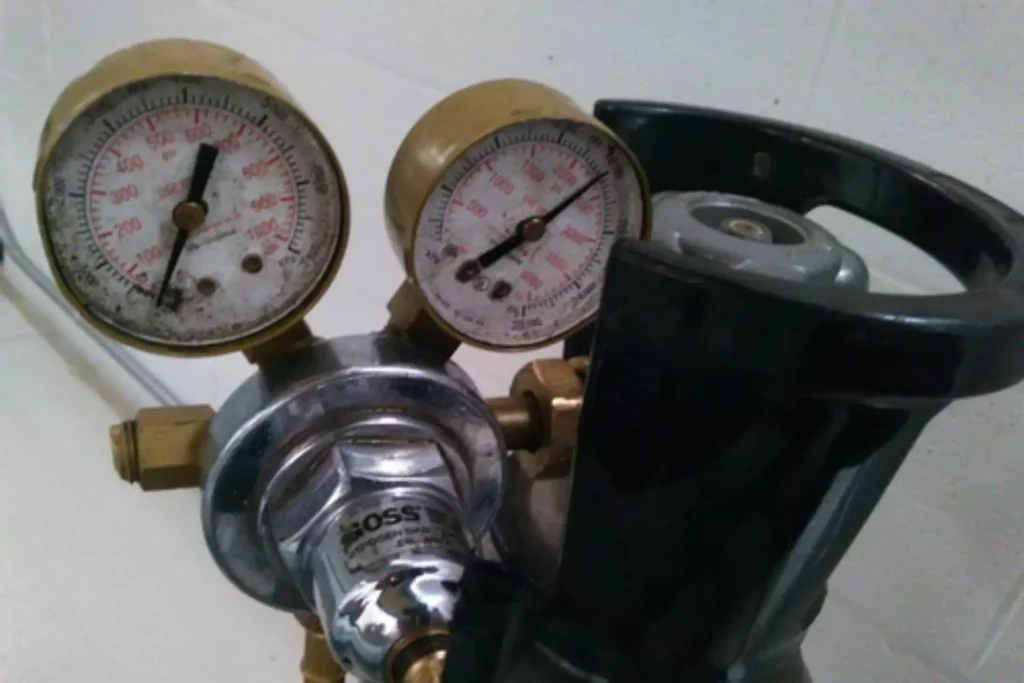
Nitrogen cylinders contain approximately 2200-2400 PSI of pressure – that kind of force can do some serious damage to a person or property. To put this in perspective, that’s roughly 150 times the pressure in your car tires.
Critical Safety Steps Before Connection
Before attaching your nitrogen regulator to any cylinder, follow these essential steps:
- Inspect the threads of both the regulator and cylinder valve to ensure they are not stripped or damaged
- Back out the regulator handle all the way – this ensures no pressure will flow when you first open the cylinder valve
- Fasten the regulator to the cylinder securely
The Most Important Safety Precaution
Before you open the cylinder valve, turn and direct the regulator away from yourself and others. This critical step is often overlooked by technicians in a hurry.
If the regulator becomes a projectile due to damaged threads or improper connection, you do not want to be standing in front of it. A regulator launched at 2400 PSI can penetrate walls and cause fatal injuries.
Transportation Safety Requirements
While carrying nitrogen cylinders from job to job in your vehicle:
- Ensure cylinders are strapped down and secured tightly – a loose cylinder becomes a missile in an accident
- Remove the regulator while in transit – this prevents accidental valve opening
- Store cylinders upright when possible to prevent valve damage
These precautions should be thought of and employed when working with any compressed gas cylinder, including oxygen, acetylene, and CO2. When performing refrigerant leak checking procedures, nitrogen safety becomes even more critical as you’ll be working with the cylinder frequently throughout the day.
Real-World Demonstration of Compressed Gas Dangers
Check out this Myth Busters video to see what a compressed tank of gas is capable of when things go wrong:
Building Your Professional Reputation Through Safety
Safety practices like proper nitrogen handling distinguish professional technicians from amateurs. When customers see you taking these precautions, it builds trust and demonstrates expertise. Property.com’s ‘Know Before You Go‘ tool helps you maintain that professional edge by providing detailed property insights before you arrive, allowing you to prepare the right equipment and safety gear for each specific job. This preparation, combined with visible safety practices, positions you as the thorough professional homeowners want to hire repeatedly.
Additional Resources for Safe HVAC Practices
For technicians new to the trade, understanding compressed gas safety is just one aspect of professional development. Check out The Do’s and Don’ts of an HVAC Apprentice for comprehensive safety and professional guidelines.
When using nitrogen for system evacuation, proper procedures become even more critical. Review the complete Refrigeration System Evacuation Procedure to understand how nitrogen purging fits into the broader service process.
Finally
Check out the link to my YouTube channel for more tips, tricks, and troubleshooting videos, and check out The HVAC Know It All podcast here or on your favorite podcast app.
Stay safe out there, and remember – that nitrogen cylinder deserves your respect every single time you use it.
Happy HVACing…