
HVAC TIP – IAQ AND CARBON DIOXIDE

Key Takeaways
  • CO2 is Often Overlooked: While filtration and humidity get attention, carbon dioxide levels significantly impact indoor comfort and health
  • Health Effects Start at 600 ppm: Symptoms like headaches, fatigue, and drowsiness begin well below dangerous levels
  • ASHRAE Standard is 1000 ppm: Both ASHRAE and OSHA set 1000 ppm as the maximum recommended level for occupied spaces
  • Testing is Simple: Modern IAQ meters like the Testo 440 with CO2 probe make field testing quick and accurate

As I read posts and comments within social media HVAC groups regarding indoor air quality or IAQ, it is clear that most technicians are focused on clean, healthy homes for their customers and their own families. The main discussion revolves around filtration systems, temperature, humidity, and air purification.

There is a forgotten element within IAQ that should not be overlooked and plays a very important role in how people feel – that forgotten element is carbon dioxide or CO2. High levels of CO2 can cause headaches and fatigue, amongst other things. Understanding and monitoring CO2 levels is just as critical as managing temperature and humidity for complete indoor comfort.

Understanding CO2 Levels and Their Effects

The effects of CO2 on adults in good health vary significantly based on concentration levels. Here’s what every HVAC professional should know about safe and problematic CO2 concentrations:

| CO2 Level (ppm) | Condition/Effect | Notes |

|—————–|——————|——-|

| 350-450 | Normal outdoor level | Baseline for fresh air |

| < 600 | Acceptable indoor levels | Target for well-ventilated spaces |

| 600-1000 | Complaints of stuffiness and odors | Ventilation improvements needed |

| 1000 | ASHRAE and OSHA standards | Maximum recommended for occupied spaces |

| 1000-2500 | General drowsiness | Productivity and comfort decline |

| 2500-5000 | Adverse health effects expected | Immediate ventilation required |

| 5000-10000 | Maximum for 8-hour exposure | Industrial/occupational limit |

| 30000 | Maximum for 15-minute exposure | Emergency evacuation threshold |

Source: Engineering Toolbox CO2 Comfort Levels

Why CO2 Monitoring Matters in Modern Buildings

Today’s tightly sealed, energy-efficient buildings can trap CO2 from human respiration, creating uncomfortable and potentially unhealthy environments. This is especially problematic in commercial spaces where proper ventilation strategies are essential for maintaining both comfort and productivity. Without adequate fresh air exchange, CO2 levels can quickly exceed recommended limits, even in buildings with sophisticated filtration systems.

Testing for CO2 in the Field

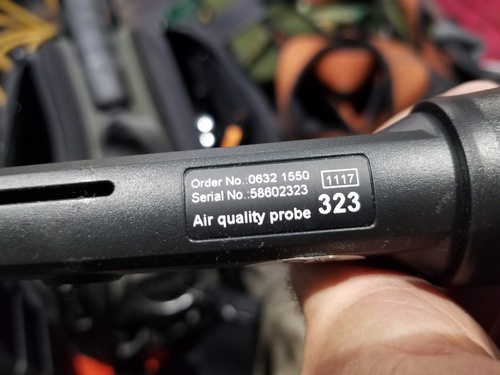
The video below demonstrates how we can test for CO2 within a customer’s home or building using the Testo 440 and 323 Air Quality Probe. This combination provides accurate, real-time CO2 measurements that help technicians diagnose ventilation issues and recommend appropriate solutions.

Practical Solutions for High CO2 Levels

When you encounter elevated CO2 readings, several ventilation strategies can help restore healthy air quality:

  1. Increase Fresh Air Intake: Adjust economizer settings or implement free cooling strategies when outdoor conditions permit
  2. Install Energy Recovery Ventilators (ERVs): These systems bring in fresh air while minimizing energy loss
  3. Verify Existing Ventilation Rates: Ensure systems meet ASHRAE 62.1 requirements for CFM per person
  4. Consider Demand-Controlled Ventilation: CO2 sensors can automatically adjust fresh air intake based on occupancy

For commercial buildings with BMS control systems, CO2 monitoring can be integrated directly into the automation sequence, allowing for automatic ventilation adjustments based on real-time occupancy and air quality data.

Building Your IAQ Service Offerings

As customer awareness of indoor air quality grows, HVAC professionals who can diagnose and solve CO2 problems have a competitive advantage. Property.com’s ‘Know Before You Go‘ tool helps you identify homes with potential ventilation issues before you arrive, allowing you to bring the right testing equipment and solutions. This preparation demonstrates expertise and builds trust with health-conscious homeowners. Learn how Property.com helps HVAC pros expand their IAQ service offerings and grow their business.

Conclusion

Carbon dioxide monitoring deserves equal attention alongside filtration, humidity control, and temperature management in any comprehensive IAQ strategy. By understanding acceptable CO2 levels, recognizing symptoms of poor ventilation, and having the right testing tools, HVAC technicians can provide complete indoor air quality solutions that truly improve occupant health and comfort. Remember, addressing CO2 isn’t just about meeting standards – it’s about creating spaces where people can think clearly, work productively, and feel their best.

Categories:
Share this article on:

Gary McCreadie

Gary McCreadie is an HVAC tech, the creator of hvacknowitall.com, the HVAC Know It All Podcast, and owner of McCreadie HVAC & Refrigeration Services

Follow us on:

Save 6% on purchases at TruTech Tools with code knowitall (excluding Fluke and Flir products)

Save 8% at eMotors Direct with code HVACKNOWITALL

Subscribe Now!

Subscribe now and stay up to date with the latest industry trends and HVAC tips and tricks!

Subscribe Now!

Subscribe now and stay up to date with the latest industry trends and HVAC tips and tricks!