Key Takeaways
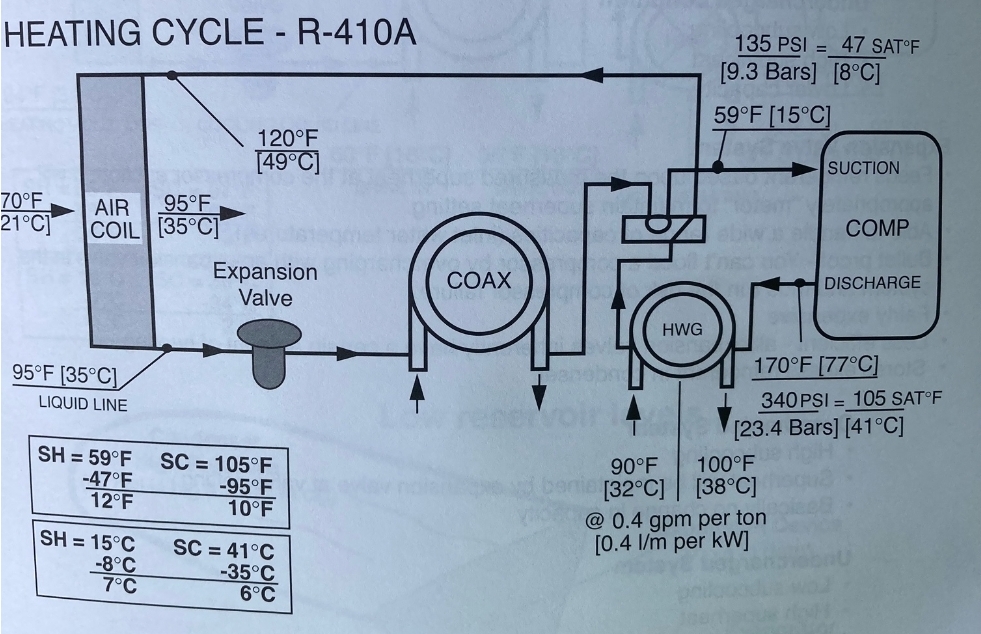
- HWG Function: Domestic hot water generators use geothermal compressor discharge gas to preheat water, reducing water heater energy consumption
- System Integration: HWG operates through a secondary heat exchanger before the primary refrigerant/water coaxial coil loop
- Performance Impact: Enabling HWG slightly reduces heating performance but provides year-round water heating efficiency benefits
- Temperature Control: Systems typically preheat water to 125-150°F depending on settings, significantly reducing water heater workload
As discussed in my previous article, geothermal systems are highly efficient in multiple ways. One specific way they add efficiency is by adding heat to a domestic hot water supply, which lowers energy usage on the water heater itself. This feature is known as the domestic hot water generator (HWG for short), and it utilizes the compressor’s discharge gas for this purpose.
Listen to Matt on the HVAC Know It All Podcast discussing the current state of the industry on this round table episode.
How It Works
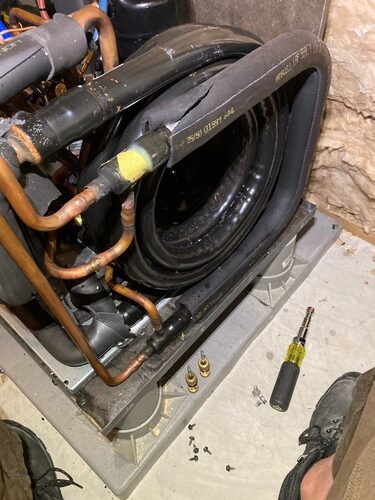
Before the primary refrigerant/water coaxial coil loop, there is a secondary heat exchanger for the purpose of the HWG. This heat exchanger is where domestic water is present. Domestic water is moved via an internal circulator within the system when the HWG is enabled and heated by the discharge gas.
The heated water is then moved into the bottom of your electric water heater or a separate storage tank if you have a fossil fuel water heater. Instead of heating cold water from your main supply, the HWG helps preheat the water to a setpoint of 125 or 150 degrees Fahrenheit, depending on the setting. This process is similar to how heat pump reversing valves redirect refrigerant flow, but in this case, we’re capturing waste heat for beneficial use.

Does It Affect Performance?
This setting does affect the system performance slightly, and performance charts for most manufacturers state that performance readings are done with the HWG off. The effect is more noticeable in heating mode than in cooling mode, and here’s why:
During cooling operation, the heat generated by the system is moved into the ground loop to be rejected. With HWG enabled, some of this waste heat gets diverted to heat your water—essentially free hot water from heat that would otherwise be dumped into the ground.
During heating mode, that same heat would normally be sent to the air coil to warm your space. With HWG enabled, the domestic hot water loop steals some heat from the geothermal system that would otherwise heat your home. This is why proper heat load calculations become even more critical when sizing geothermal systems with HWG capabilities.
Personally, I leave my HWG enabled year-round and have done the same for customers with geothermal heating. The slight reduction in heating performance is more than offset by the significant energy savings on water heating throughout the year.

Maximizing Your Geothermal Investment
When planning your geothermal installation, consider how the HWG feature fits into your overall energy strategy. Just as proper maintenance scheduling ensures peak performance, understanding how to optimize your HWG settings can maximize your return on investment.
Growing your HVAC business with advanced geothermal installations? Property.com’s ‘Know Before You Go‘ tool helps you identify homes that could benefit most from geothermal upgrades by showing utility costs and home characteristics. Stand out from competitors by arriving prepared with data-driven recommendations. Learn how Property.com helps HVAC pros close more high-value geothermal projects.
Tune Into the HVAC Know It All Podcast for Expert Tips and Industry Insights
Ready to dive deeper into HVAC tips and tricks? Tune in to our HVAC Know It All podcast, where we discuss the latest industry trends, answer your burning questions, and share expert advice to keep your home comfortable year-round. Don’t miss out—subscribe now and never miss an episode!