
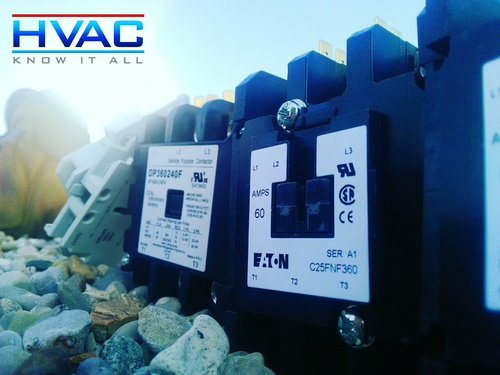
TIP: CHECK SWITCHES AND CONTACTORS FOR CONTINUITY

Key Takeaways
  • Continuity Testing: Check switches and contactors for consistent, low ohm readings across all legs to prevent intermittent failures
  • Preventive Maintenance: Include continuity checks during routine maintenance to catch failing components before they cause system damage
  • Safety First: Always lock out power at the main before testing electrical components
  • Cascading Failures: A defective switch or contactor can cause secondary damage like motor failure if not caught early

The Hidden Culprit Behind Intermittent HVAC Failures

A few years ago, I encountered a puzzling issue with a rooftop unit that taught me a valuable lesson about electrical troubleshooting. Every time I cycled the power from the local disconnect, two of the three fuses would blow. After checking all the obvious loads within the unit and finding nothing wrong, I turned my attention to the disconnect switch itself—a component many technicians overlook.

With the power off at the main and properly locked out, I closed the local disconnect and checked the continuity through each of the three legs. While I don’t recall the exact readings, they were noticeably inconsistent—a clear red flag. After replacing the disconnect, the problem disappeared like an old friend that owes you money (you know the one).

Why Continuity Testing Matters

It’s good practice to check switch, contactor, and relay continuity during both preventive maintenance and service calls. These components are the gatekeepers of electrical flow in your HVAC system, and when they fail, they can cause everything from nuisance trips to catastrophic equipment damage.

How to Test Contactor Continuity

Let’s say you have a compressor that’s blowing fuses intermittently. Here’s the proper testing procedure:

  1. Shut off power to the unit at the main disconnect
  2. Verify power is not present within the electrical cabinet using your meter
  3. Manually push in the contactor serving the compressor, simulating its operation
  4. Set your meter to ohms and check continuity across each leg of the contactor
  5. Compare readings – they should be very low (typically less than 1 ohm) and consistent across all legs

Any significant variation between legs or high resistance readings indicate a failing contactor that needs replacement.

Real-World Case Study: When Switches Kill Motors

Check out this video from a live service call where a defective switch was the root cause of a major system failure:

In this case, we discovered that the motor had actually failed due to the defective switch. The inconsistent electrical supply caused by the failing switch contacts created voltage imbalances that eventually burned out the motor windings. Both the motor and switch were replaced, finally solving a problem that had plagued this system for months.

Prior to proper diagnosis, the motor starter had been reset several times over a few months—a classic band-aid approach that masked the real issue while allowing damage to accumulate.

The Business Impact of Proper Diagnostics

Finding these hidden electrical issues before they cause major failures isn’t just good technical practice—it’s good business. Property.com’s ‘Know Before You Go‘ tool helps you access homeowner permit history and system details before arriving on site, allowing you to prepare for potential electrical issues based on equipment age and past service records. This preparation, combined with thorough continuity testing, positions you as the thorough professional who prevents problems rather than just fixing them.

Common Signs of Switch and Contactor Failure

Beyond continuity testing, watch for these warning signs during your inspections:

  • Pitting or burning on contact surfaces
  • Inconsistent operation (works sometimes but not others)
  • Unusual buzzing or chattering when energized
  • Heat discoloration around terminals
  • Previous history of blown fuses or tripped breakers

When working with building management systems, these electrical issues can trigger false alarms and mask the true problem source, making proper testing even more critical.

Best Practices for Electrical Component Testing

Remember that electrical components in HVAC systems face unique stresses from frequent cycling, temperature extremes, and moisture exposure. This is especially true for condensers and rooftop units exposed to weather.

Always include continuity testing in your standard diagnostic routine. It takes just minutes but can save hours of troubleshooting and prevent costly equipment damage. More importantly, it protects your customers from unexpected breakdowns and builds your reputation as a thorough, professional technician who gets to the root cause of problems.

The next time you’re dealing with intermittent electrical issues, don’t just reset and hope for the best. Take the time to check continuity through every switch and contactor in the circuit. You might just find that elusive problem that’s been driving everyone crazy—and save a motor in the process.

Share this article on:

Gary McCreadie

Gary McCreadie is an HVAC tech, the creator of hvacknowitall.com, the HVAC Know It All Podcast, and owner of McCreadie HVAC & Refrigeration Services

Follow us on:

Save 6% on purchases at TruTech Tools with code knowitall (excluding Fluke and Flir products)

Save 8% at eMotors Direct with code HVACKNOWITALL

Subscribe Now!

Subscribe now and stay up to date with the latest industry trends and HVAC tips and tricks!

Subscribe Now!

Subscribe now and stay up to date with the latest industry trends and HVAC tips and tricks!